
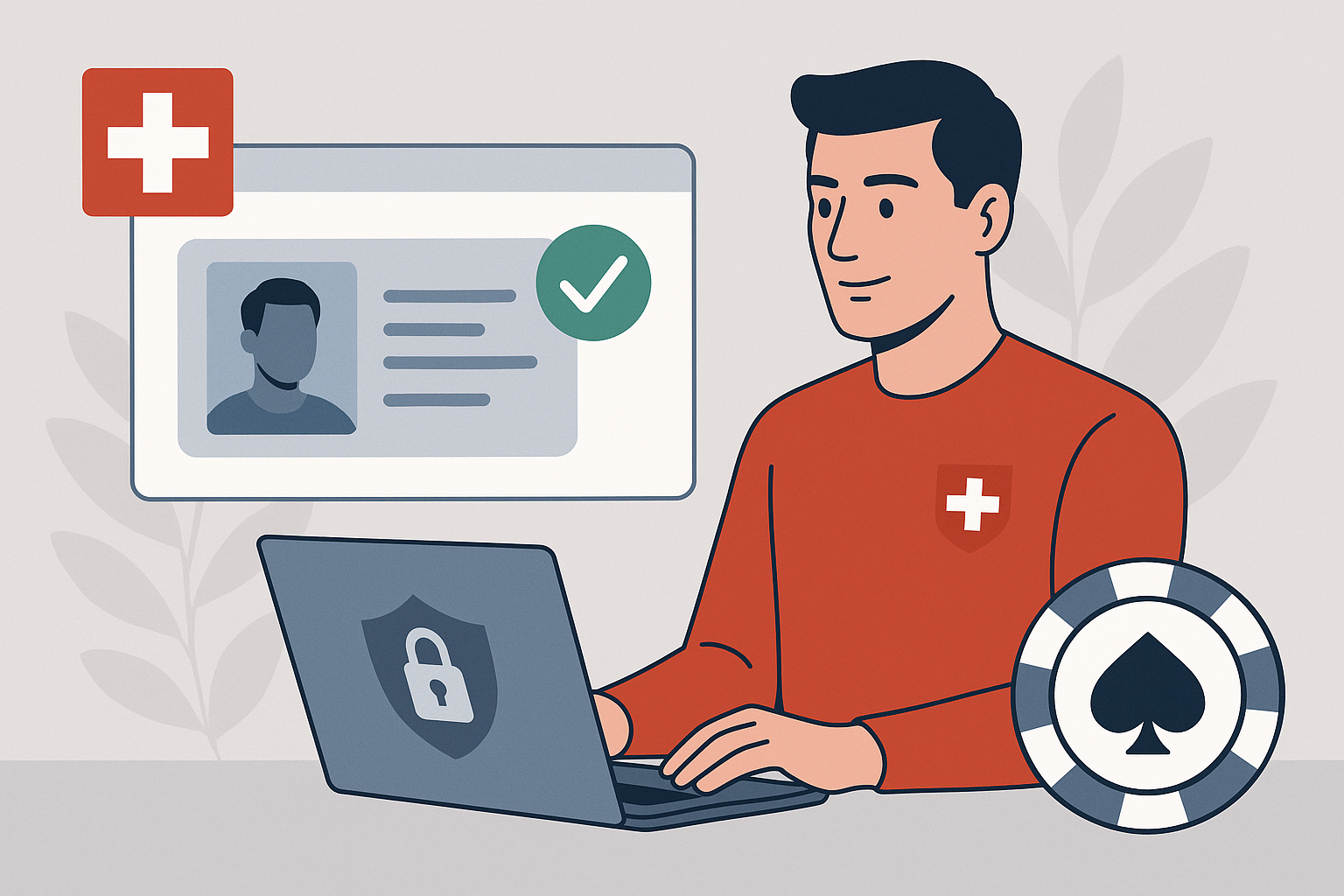
Understanding Identity Verification for Swiss Online Casino Players
Identity verification has become a standard requirement at licensed online casinos worldwide, including those serving Swiss players. This process, commonly known as Know Your Customer (KYC), ensures compliance with anti-money laundering regulations and responsible gambling measures. Understanding what to expect can help Swiss players navigate the verification process smoothly.
Why Identity Verification Is Required
Online casinos operating legally in Switzerland or serving Swiss residents must adhere to strict regulatory requirements. The Swiss Federal Gaming Board (ESBK/CFMJ) mandates that operators verify player identities to prevent fraud, underage gambling, and money laundering. These measures also protect players by ensuring only legitimate account holders can access funds and winnings.
The verification process typically occurs before a player can make their first withdrawal, though some casinos may request documentation during registration or after certain deposit thresholds are reached.
Standard Documentation Required
Swiss players should prepare to submit several types of documents when verifying their casino accounts. The specific requirements may vary slightly between operators, but generally include:
Proof of Identity
Casinos require a government-issued identification document that includes a photograph. Accepted documents typically include:
- Swiss identity card (Identitätskarte/Carte d'identité)
- Valid passport
- Swiss driver's license
The document must be current and not expired. Players should submit clear, legible copies or photographs showing all four corners of the document, with no glare or shadows obscuring information.
Proof of Address
To confirm residency, casinos request documentation showing the player's current address. Acceptable proof of address documents include:
- Utility bills (electricity, water, gas) dated within the last three months
- Bank statements or credit card statements from the past 90 days
- Official government correspondence
- Rental agreements or property tax documents
The document must clearly display the player's full name and residential address matching the information provided during registration.
Proof of Payment Method
When using certain payment methods, casinos may require verification of the financial instrument used. For credit or debit cards, this typically means submitting a photo showing:
- The first six and last four digits of the card number (middle digits can be covered)
- The cardholder's name
- The expiration date
The CVV security code should always be hidden. For e-wallets or other payment services, a screenshot showing the account holder's name and account details may be requested.
The Verification Process Step by Step
Most online casinos follow a similar verification procedure. Players can expect the following steps:
Initial Request
The casino sends an email or displays a notification requesting verification documents. Some operators provide a secure upload portal within the user account dashboard, while others may request documents via email to a specific compliance address.
Document Submission
Players should scan or photograph their documents according to the casino's specifications. Files should be in common formats (JPEG, PNG, PDF) and meet any size requirements stated. Ensure all information is clearly visible and readable.
Review Period
The casino's compliance team reviews submitted documents. This process typically takes between 24 hours and five business days, though timelines vary by operator. Some modern casinos use automated verification systems that can process documents within minutes.
Approval or Additional Requests
If documents meet requirements, the account receives verified status and withdrawals can proceed. If documents are unclear or additional information is needed, the casino contacts the player with specific instructions.
Special Considerations for Swiss Players
Switzerland's unique regulatory environment includes additional considerations. Swiss-licensed casinos (those with domains ending in .ch) operate under the Swiss Federal Gaming Board's supervision and must meet strict local requirements. Players using internationally licensed casinos should verify that the operator accepts Swiss residents and complies with applicable regulations.
Swiss players should be aware that gambling winnings are generally tax-free in Switzerland for recreational players, but maintaining proper documentation helps demonstrate the source of funds if questions arise.
Protecting Your Personal Information
When submitting sensitive documents, Swiss players should take precautions to protect their information:
- Only provide documents to licensed, reputable casinos with secure encryption (look for HTTPS and valid SSL certificates)
- Use the casino's official upload portal rather than unencrypted email when possible
- Never share CVV codes or full card numbers
- Keep records of what documents were sent and when
- Report any suspicious requests immediately
What to Do If Verification Is Delayed
If verification takes longer than expected, players should contact customer support through official channels. Providing a ticket reference number and checking for any missed communications helps resolve issues quickly. Legitimate casinos have customer service teams available to assist with verification questions.
Players should ensure they understand their rights under Swiss consumer protection laws and the specific casino's terms and conditions. The verification process, while sometimes requiring patience, is a necessary safeguard that ultimately protects both players and operators in the regulated online gambling environment.