
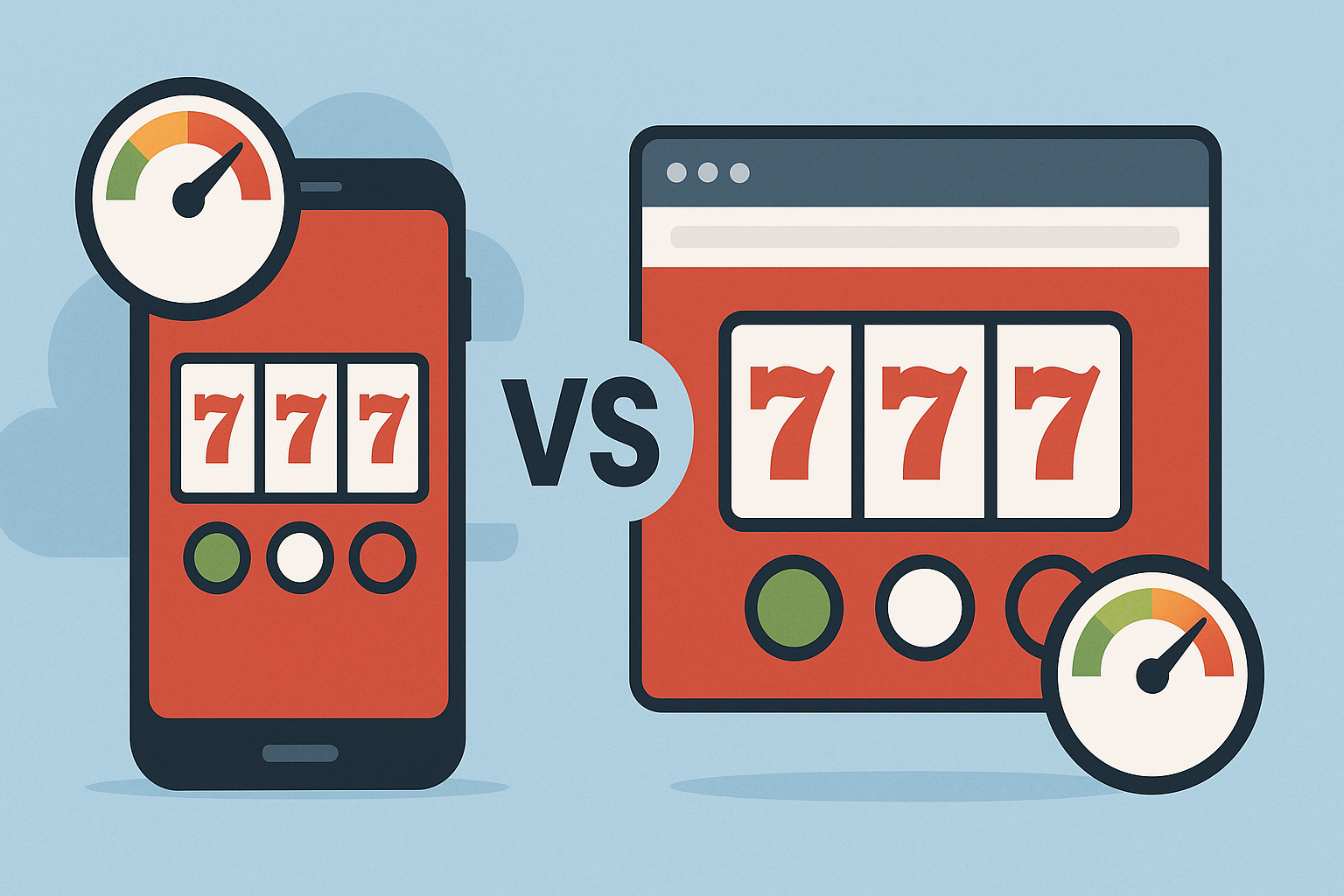
Understanding Mobile Casino Access: App vs Browser Performance
Mobile gambling has grown significantly in recent years, with players accessing casino platforms through two main methods: dedicated mobile applications and web browsers. The performance difference between these options affects user experience, game loading times, and overall responsiveness. This guide examines the technical factors that influence speed in both approaches.
How Mobile Casino Apps Function
Native mobile applications are software programs downloaded and installed directly on smartphones or tablets. These apps are typically developed for specific operating systems like iOS or Android, optimizing code for the particular hardware and software environment. The application stores certain resources locally on the device, including graphics, sounds, and interface elements.
When a user opens a casino app, the software accesses these pre-loaded resources from the device's storage rather than downloading them repeatedly from remote servers. This local storage capability represents one of the fundamental architectural differences between apps and browser-based solutions.
Browser-Based Casino Performance
Browser casinos operate through web technologies such as HTML5, JavaScript, and CSS. When accessing a casino website through Safari, Chrome, or another mobile browser, the device downloads the necessary files each time you visit, though browsers do employ caching mechanisms to store some data temporarily.
Modern web standards have considerably narrowed the performance gap between native apps and browser experiences. HTML5 technology allows developers to create responsive, feature-rich casino games that function across different devices without requiring separate downloads.
Speed Factors: Initial Loading
The first noticeable difference appears during initial access. Mobile apps generally launch faster after installation because core files already exist on the device. A casino app might open in one to three seconds, immediately presenting the interface.
Browser casinos require the device to establish a connection, retrieve website files, and render the page. On a fast connection, this process typically takes three to seven seconds, though modern websites with optimized code can load remarkably quickly. The actual difference depends heavily on internet connection quality and the website's technical optimization.
Connection Dependency
Both methods require internet connectivity to access real-money games and account information. However, apps may display their interface and basic information even with poor connectivity, while browser casinos need a stable connection to render the initial page properly.
Game Loading and Gameplay Performance
During actual gameplay, the performance distinction becomes less pronounced. Modern HTML5 games in browsers often run as smoothly as those in native apps, especially on devices with current processors and adequate memory.
Apps may have a slight advantage in game launching speed, typically loading individual games one to two seconds faster than browser versions. This difference stems from locally stored graphical assets and optimized code paths. However, this margin has decreased as web technologies have advanced.
Frame rates and animation smoothness during play are generally comparable between well-designed apps and browser casinos on modern devices. The quality of the game software itself matters more than the delivery method for gameplay experience.
Resource Usage and Device Performance
Mobile apps consume device storage space, ranging from 50MB to over 200MB depending on the platform. Browser casinos use temporary cache storage but don't require dedicated storage allocation.
Regarding battery consumption, apps may be more efficient during extended sessions because they avoid repeatedly downloading resources. Browsers must process more data continuously, potentially consuming more battery power over time. The difference varies based on how well the browser manages resources and the quality of the casino's website code.
Updates and Technical Maintenance
Mobile apps require periodic updates through app stores, which means users must download new versions to access improvements or new features. This process can temporarily slow access if updates are large or frequent.
Browser casinos update automatically on the server side. Users always access the most current version without downloading anything, ensuring immediate access to new features and security patches.
Factors Beyond Speed
While speed is important, several related considerations affect the overall experience:
- Device compatibility: Apps require specific operating system versions, while browsers work across more devices
- Storage availability: Devices with limited space may struggle with multiple casino apps
- Network conditions: Connection quality affects both methods but impacts browsers more significantly
- Security features: Both methods can be secure when properly implemented, though mechanisms differ
Practical Recommendations
For users with modern smartphones and reliable internet connections, the performance difference between apps and browsers is often negligible in practical terms. Apps may provide marginally faster access, particularly for frequent players who value shaving seconds off loading times.
Browser casinos offer greater flexibility, requiring no downloads or storage commitment. They suit players who use multiple devices or prefer not to install numerous applications.
Testing both options with your specific device and connection is the most reliable way to determine which performs better in your situation. Performance can vary based on device age, operating system version, available storage, and internet connection quality.
Regulatory and Responsible Gaming Considerations
Regardless of access method, players should verify that any casino operates legally in their jurisdiction. Speed of access should never compromise security or responsible gaming practices. Both apps and browser casinos should provide tools for setting limits and controlling play duration.
Individual circumstances, including financial situation and local regulations, should guide decisions about participating in real-money gambling activities.