
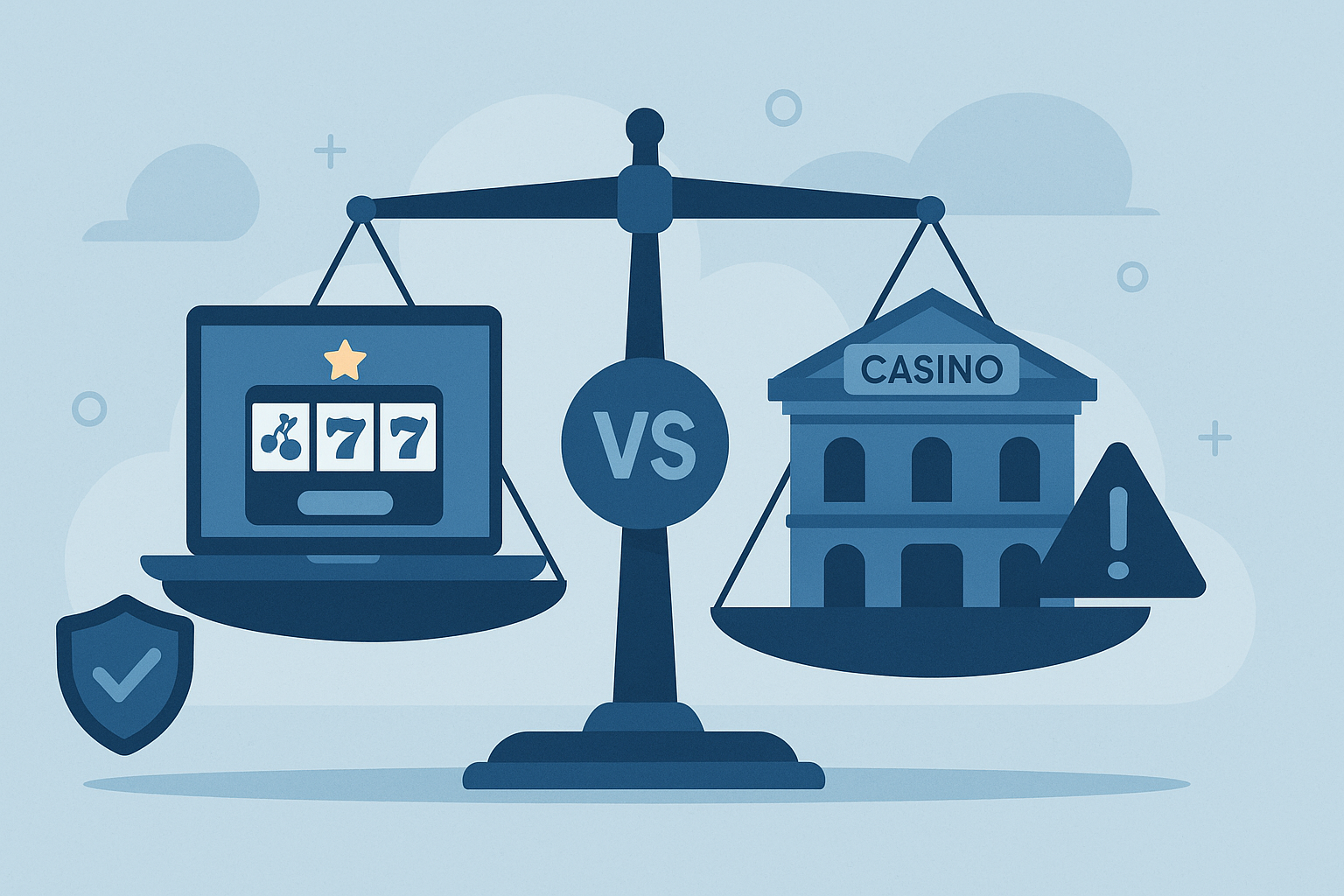
Understanding the Safety Landscape of Online Casinos
When choosing where to play online casino games, one of the most frequent questions players face is whether newer platforms or long-established operators provide better security and reliability. Both options have distinct characteristics that affect player safety, and understanding these differences helps in making informed decisions about where to register and deposit funds.
Safety in online gambling encompasses several factors: licensing and regulation, financial security, data protection, game fairness, and the operator's track record in handling customer issues. Both new and established casinos can meet these criteria, though they demonstrate their reliability in different ways.
How Established Casinos Demonstrate Safety
Casinos that have operated for many years bring specific advantages related to their longevity and market presence. Their safety profile typically includes:
- Proven track record: Years of operation provide verifiable history of how the casino handles withdrawals, disputes, and customer service issues
- Established reputation: Long-term operators have accumulated reviews, player feedback, and regulatory scrutiny that creates transparency
- Financial stability: Companies operating successfully for extended periods generally have stronger financial foundations to honor payouts
- Regulatory compliance history: Established casinos have undergone multiple license renewals and audits, demonstrating ongoing compliance
- Tested security infrastructure: Their systems have been refined over time to address evolving security threats
However, longevity alone does not guarantee safety. Some established casinos have faced regulatory issues, and older platforms may use outdated technology that lacks modern security features.
Safety Considerations for New Online Casinos
Newer casino platforms enter the market with their own set of characteristics that can influence safety:
- Modern technology: New casinos typically use current encryption standards, mobile-optimized platforms, and up-to-date security protocols
- Strict initial licensing requirements: Recent applicants must meet current regulatory standards, which have become more stringent over time
- Fresh approach to responsible gambling: Many new operators implement contemporary responsible gambling tools from launch
- Competitive need to build trust: New casinos often work harder initially to establish credibility and positive reviews
The primary concern with new casinos is the absence of operational history. Without years of customer feedback and withdrawal processing records, assessing reliability requires examining other factors more closely.
Key Safety Factors to Verify Regardless of Age
Licensing and Regulation
The single most important safety indicator is valid licensing from recognized gambling authorities. Reputable jurisdictions include the UK Gambling Commission, Malta Gaming Authority, Gibraltar Regulatory Authority, and similar bodies. Verify that:
- The license number is displayed on the casino website
- You can confirm the license status on the regulator's official website
- The license covers the specific services offered and your jurisdiction
Both new and established casinos must hold valid licenses. A new casino with proper licensing may be safer than an older casino operating without adequate regulation.
Security Technology
Check for SSL encryption (indicated by "https" in the URL and a padlock icon). Modern casinos should use at least 128-bit SSL encryption to protect data transmission. Review the casino's privacy policy to understand how personal and financial information is stored and protected.
Payment Method Security
Safe casinos offer recognized payment methods from reputable providers. The presence of established payment processors (major credit cards, e-wallets like PayPal or Skrill, bank transfers) indicates that the casino has passed security vetting by these financial services.
Game Fairness and Testing
Legitimate casinos use games from licensed software providers and undergo regular testing by independent agencies like eCOGRA, iTech Labs, or GLI. Certificates from these testing organizations should be verifiable on the casino site.
Practical Steps for Evaluating Any Casino
Whether considering a new or established casino, follow these verification steps:
- Research the operating company and check for any regulatory actions or serious complaints
- Read terms and conditions carefully, particularly regarding withdrawals and bonus restrictions
- Start with small deposits to test withdrawal processes before committing larger amounts
- Check multiple review sources, not just testimonials on the casino's own website
- Verify customer support responsiveness by asking questions before depositing
- Ensure the casino provides responsible gambling tools including deposit limits, self-exclusion, and reality checks
Making Your Decision
Neither new nor established casinos are inherently safer. Safety depends on specific practices, licensing, and regulatory compliance rather than operational duration. Established casinos offer the advantage of verifiable history, while new casinos may provide modern technology and fresh approaches to player protection.
The safest approach is to prioritize proper licensing, verify security measures, and research the specific operator regardless of how long they have been in business. Players should only gamble with funds they can afford to lose and remain aware that all casino games favor the house mathematically over time.
Always confirm that online gambling is legal in your jurisdiction before registering with any casino platform, and consider seeking advice if gambling begins to cause financial or personal difficulties.